

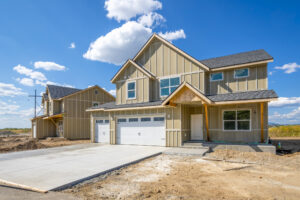
 Investing in single-family rental properties can simplify the first years of ownership, though every project should be tested against realistic return goals. Purchasing brand-new housing can increase the initial investment, though owners may offer benefits such as more customization options, improved energy efficiency, and reduced maintenance needs during the first years of ownership. The property can still become expensive once upgrades are selected, especially when the base price is firm. To see whether the property fits your goals, examine the pros and cons carefully to maximize your return on investment.
Why Consider New Construction for Your Rental Portfolio?
Purchasing new construction as a rental property can provide a move-in-ready option for investors focused on minimizing the time between closing and leasing. Newer components and updated interiors can reduce the gap between acquisition and active rental marketing. With costly modernization work largely unnecessary at the outset, out-of-pocket expenses are typically minimal during the first lease preparation window.
When the home is delivered in finished condition, the owner can shift attention directly to pricing, marketing, and tenant placement. The leasing strategy can highlight modern options that matter to renters, including smart home features. If connected living is part of the property’s appeal, smart thermostats and security systems can improve the tenant experience and give the listing additional points of interest.
Top Benefits of Energy-Efficient, Smart Homes for Renters
Tenants may place real value on moving into a home where the finishes, fixtures, and systems are all newly installed. Attracting quality tenants is key to rental success. Recent efficiency standards can make the home less costly to operate and support lower utility bills and greater environmental sustainability. Modern equipment and insulation can add comfort while supporting a more efficient rental experience.
For an investor who values a move-in-ready asset, these qualities can make new construction an appealing choice for rental property investors. Construction shortcuts can create future headaches, so the builder’s standards should be part of the investment analysis.
New-home defects may force the investor to manage warranty negotiations and unplanned maintenance earlier than expected. Customization should be disciplined because builder add-ons can raise the final cost well beyond the advertised base price.
Is New Construction the Right Investment for You in Today’s Market?
If value creation depends primarily on buying well below market, resale opportunities may offer more flexibility than a new build. Because each new-home sale can affect the next one, builders often manage prices more carefully than individual homeowners.
One discounted contract can influence future negotiations across the project, which makes developers reluctant to lower stated prices. With base-price flexibility limited, it becomes wise to inquire about current incentives, closing cost assistance, or upgrades that may be available.
Before purchasing a new home as a rental property, weigh the pros and cons carefully. Evaluate the local rental market, projected tenant demand, and assess whether the home’s amenities are likely to strengthen demand in that segment. If the property delivers the right balance of cost and renter appeal, new construction can deliver strong long-term returns.
Before committing a rental, owners need market context that shows how the property fits local renter demand. Investors looking at property in Garfield can benefit from the market context provided by Real Property Management Concierge. We perform market assessments for all potential rental properties, ensuring owners who partner with us have the tools and information they need to make the best investment decisions. For more information before making an investment decision, contact us online.
This content is provided for general informational and educational purposes only and does not constitute financial, legal, tax, or investment advice. Readers should consult with licensed professionals regarding their specific circumstances.
We are pledged to the letter and spirit of U.S. policy for the achievement of equal housing opportunity throughout the Nation. See Equal Housing Opportunity Statement for more information.
